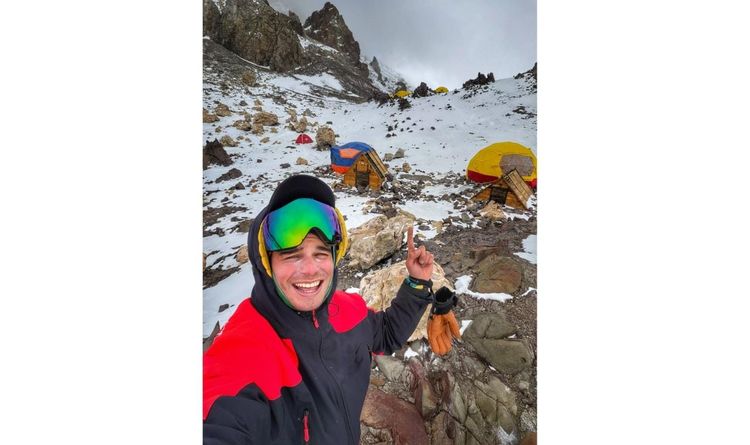
Berlín Camp on Aconcagua: High-Altitude Technical Guide and Camp 3 Strategy
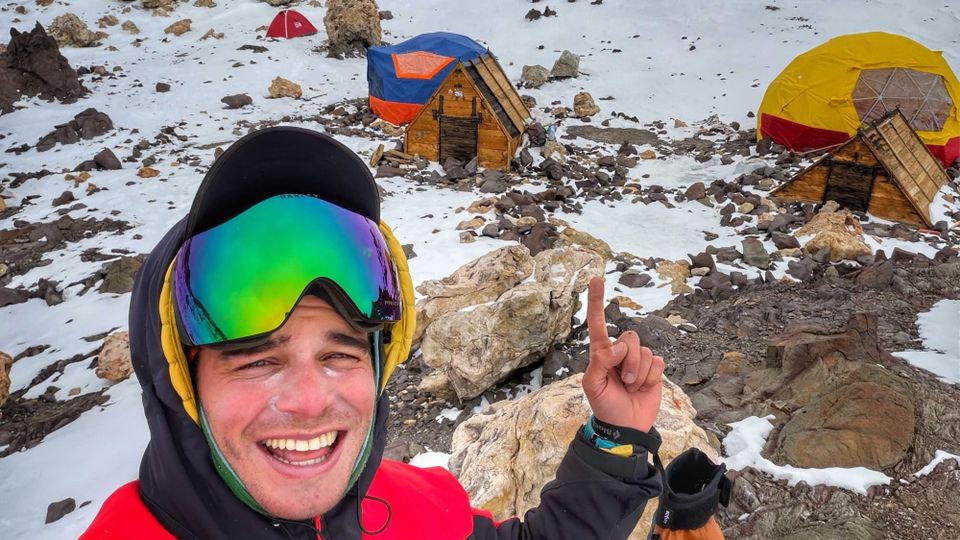
For any mountaineer venturing onto the Normal Route of the roof of the Americas, choosing the final overnight location is one of the most critical decisions of the expedition. Historically, Berlín Camp has been the guardian of the nights preceding the final summit push. Situated at a strategic point, this high camp presents a technical dilemma compared to its neighbor, Cólera. As a mountain guide with more than a decade on these slopes, I present to you the real logistical and technical analysis of this emblematic place.
Technical Details: Berlín Camp (Normal Route)
| Parameter | Detailed Data |
|---|---|
| Altitude | 19,390 ft / 5,910 m a.s.l. |
| GPS Location | -32.6381778, -70.0214904 |
| Access Section | From Nido de Cóndores (18,241 ft / 5,560 m) |
| Ascent Distance | 1.8 miles (2.9 km) |
| Average Trekking Time | 2:30 h to 3:00 h (Depending on the group's acclimatization) |
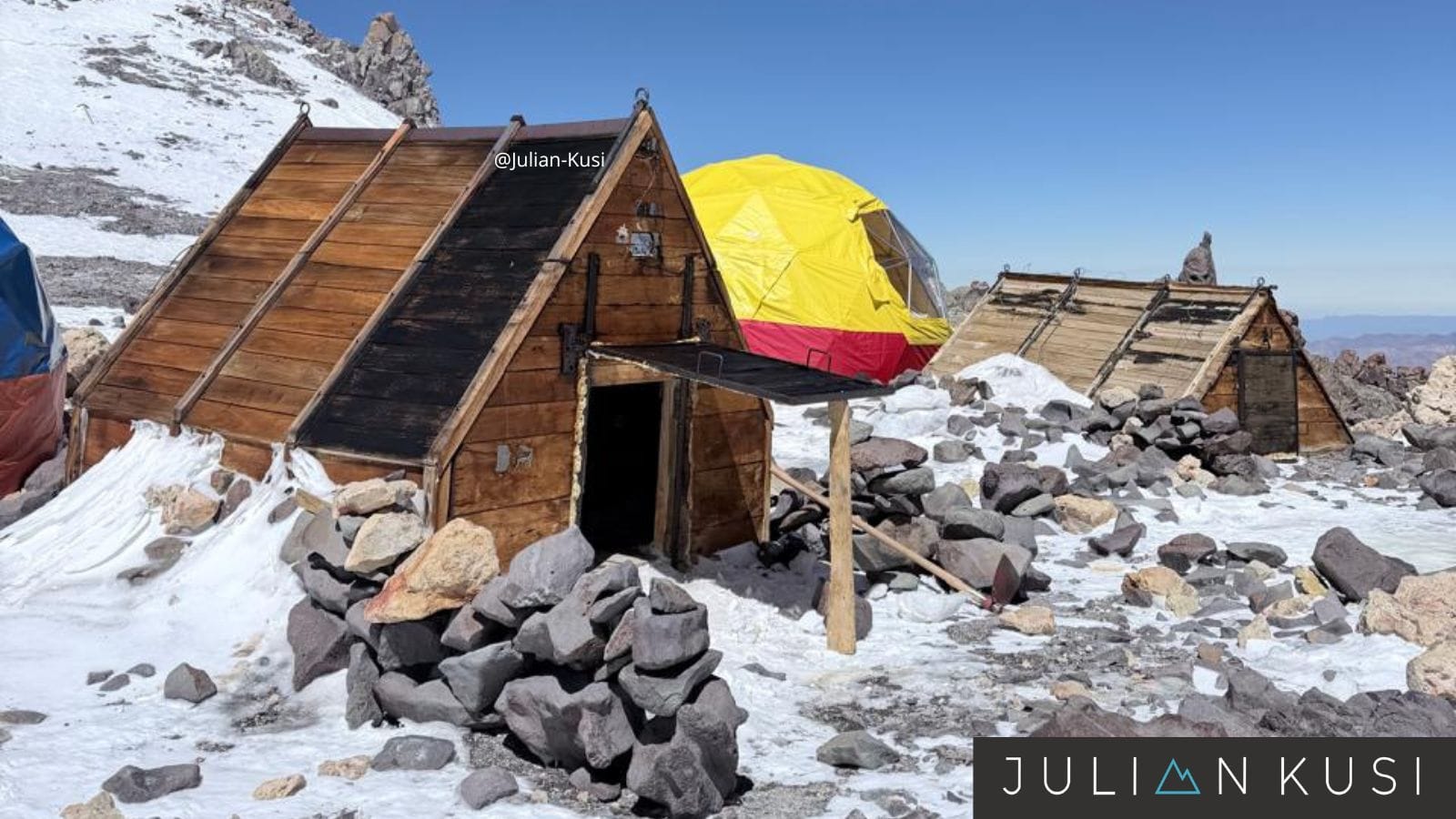
| Infrastructure | 2 historic wooden shelters (Limited use) |
The Camp 3 Dilema: Berlín vs. Cólera
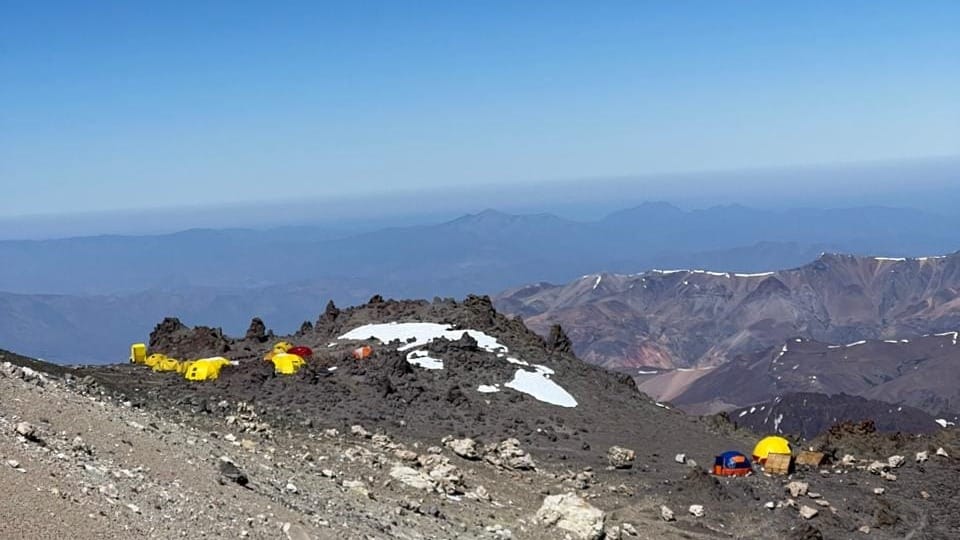
Located at an impressive altitude of 19,390 feet (5,910 meters), Berlín is one of the most iconic sites in the Aconcagua Provincial Park. For years, it operated as the undisputed Camp 3 of the Normal Route. However, current logistical dynamics have shifted most commercial expeditions toward the neighboring Cólera Camp, located slightly higher up.
Despite Cólera's popularity, Berlín retains undeniable strategic advantages if you know how to read the mountain:
Quieter Environment
Being less crowded, it offers an optimal atmosphere of calm to rest, melt snow, and focus the mind during the critical hours before the summit push.
Visual and Logistical Protection
Its two historic wooden shelters offer a windbreak against the area's strong gales, making it easier to pitch tents under their shelter.
The Ideal Plan B
If Cólera is saturated or if wind gusts complicate spending the night in more exposed areas, Berlín is the perfect alternative to set up your final night of rest.
1. The Normal Route (The Zigzags)
This is the traditional and most traveled path. It is characterized by terrain strongly marked by its long zigzagging trails, designed to gain altitude progressively. The technical terrain here features a changing mix of loose rock and hard snow, demanding constant attention to footing and occasionally requiring the mandatory use of crampons.
2. The Grajales Direct Variant
For expeditions seeking a more vertical alternative, local guides often recommend the route known as the "Directa Grajales". This variant begins climbing directly through the Grajales camp (located at the upper part of Nido de Cóndores). It is a much more demanding and direct line, so it is only advised if the team proves to be strong, possesses solid technical experience, and is perfectly acclimatized to the current altitude.
Aconcagua’s Berlin Camp.
The Reality of Services in Berlín: Planning or Surprises
Unlike major base camps such as Plaza de Mulas, logistics at Berlín are extremely rigorous and allow no room for improvisation. If you are going unsupported/autonomously, remember that all water must be obtained by melting clean snow from the surroundings using high-efficiency stoves (canister or liquid fuel). Self-sufficiency remains the norm for anyone who has not coordinated support beforehand.
 Julian Kusi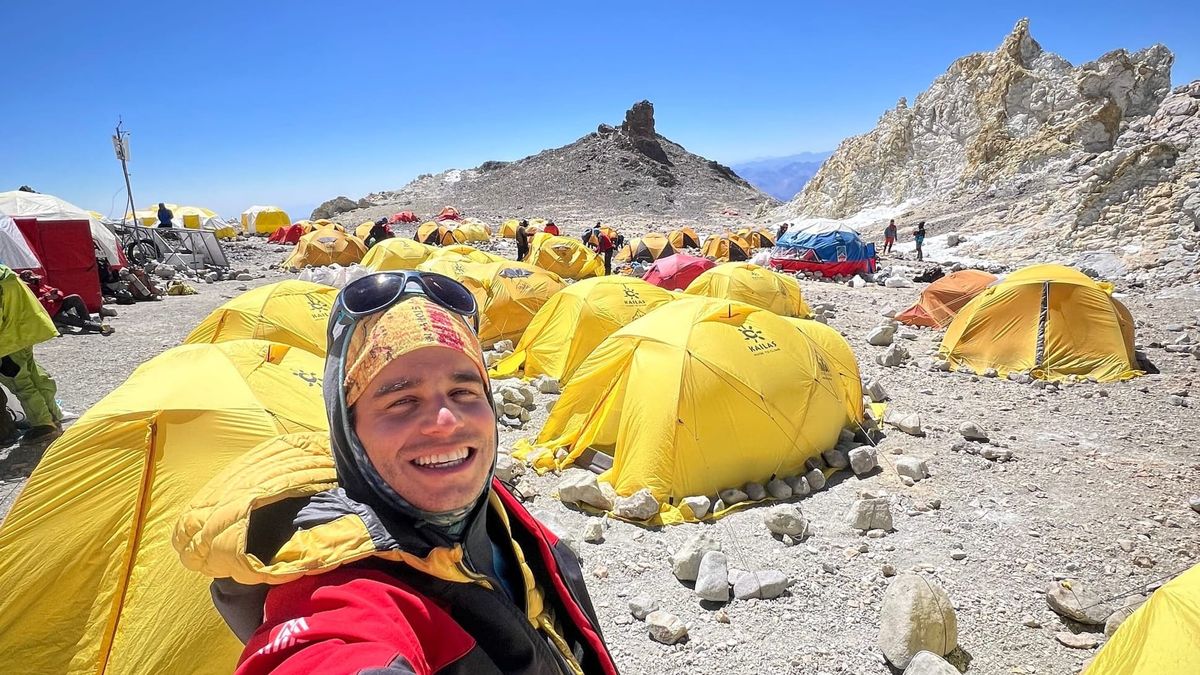
Remember that high-altitude evacuation insurance is mandatory to obtain your permit. I have complete confidence in Global Rescue and recommend them to my clients because of their proven track record in high-altitude situations.
Are you ready for Aconcagua?
Don't leave your expedition to chance. The mountain demands planning and the guidance of professionals who know its secrets. You can contact me directly for personalized advice through my official website.
About the author
Julián Kusi is a professional mountain guide with 17 summits on the "Stone Sentinel." Based in Mendoza, he specializes in the technical logistics and safety of the Normal and 360 routes on Aconcagua.
With a distinctly international and bilingual profile, Julián offers advice in Spanish, English, and Mandarin Chinese, facilitating access to the mountains for expeditions from around the world. His approach combines the precision of a high-altitude expert with modern logistical management, focused on maximizing the chances of reaching the summit for your next expedition.
Are you planning your next challenge? Connect with Julián for personalized advice and expedition availability on his Instagram: @julian_kusi or directly through aconcagua.co.